What Is Neapolitan Pizza? A Complete Guide to Italy's Most Famous Pizza Style
Few Italian foods are recognised as readily as Neapolitan pizza, yet many people are still unsure what sets it apart from other styles. More than just a popular meal, it reflects a long-standing approach to Italian cooking that values quality ingredients, careful preparation, and balance over excess. Understanding what is Neapolitan pizza helps explain why this traditional style continues to influence pizzerias around the world and why it remains a benchmark for authentic Italian pizza enjoyed by generations of diners.
What Is Neapolitan Pizza and Where Did It Begin?
To understand what is Neapolitan pizza, it helps to look at its roots in Naples, where this style was developed as an everyday meal made from simple, fresh ingredients. Traditional Neapolitan pizza combines hand-prepared dough with san marzano tomatoes, mozzarella, basil, and olive oil, and is baked quickly in a very hot wood-fired oven. Over time, its preparation became carefully defined to preserve its authenticity, with recognised standards covering ingredients, dough fermentation, shaping, and baking. Nowadays, Neapolitan pizza represents more than regional cuisine. It reflects an Italian food tradition that values craftsmanship, consistency, and respect for techniques passed down through generations.
The Characteristics That Define Authentic Neapolitan Pizza
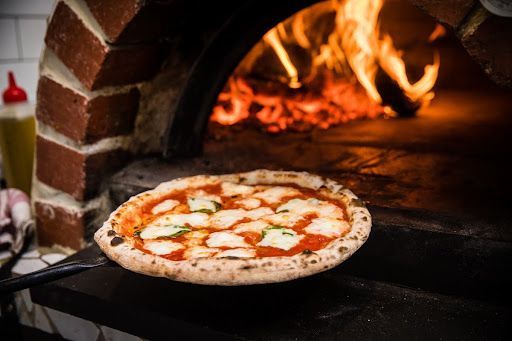
Authentic Neapolitan pizza is distinguished by its soft, airy crust, tender centre, and lightly blistered edge, shaped by the intense heat of a traditional wood-fired oven. Its dough is made with a small number of essential ingredients and left to ferment naturally over time. This approach allows the dough to develop a balanced flavour and light texture, creating the characteristic softness that defines authentic Neapolitan pizza. The pizza is stretched by hand rather than rolled, helping preserve its distinctive structure.
At Shop225, the same commitment to quality and authenticity is part of Behind Australia's Best Pizza, where every pizza reflects genuine Italian craftsmanship rather than passing trends.
What Makes Neapolitan Pizza Different From Other Pizza Styles?
What distinguishes Neapolitan pizza is not simply how it is prepared, but the philosophy behind it. Rather than relying on generous toppings or bold combinations, it focuses on balance, allowing each ingredient to contribute to the finished pizza without overwhelming the others. The emphasis remains on quality ingredients, thoughtful preparation, and consistency, producing a pizza that feels refined despite its simplicity. This disciplined approach has remained largely unchanged for generations and continues to define authentic Neapolitan pizza wherever it is served.
Why Neapolitan Pizza Continues to Be Popular Around the World
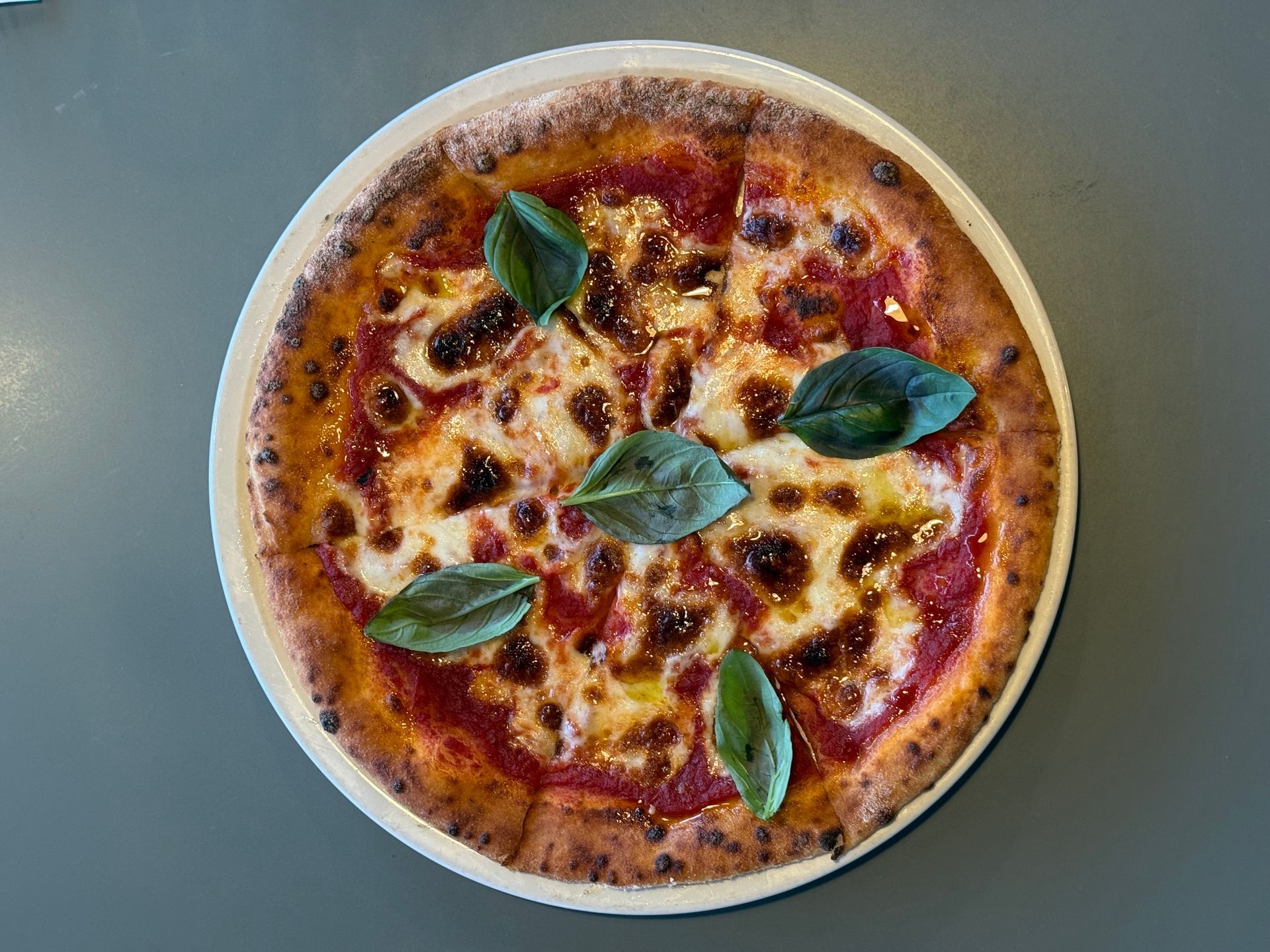
Neapolitan pizza has earned international recognition for staying true to its original principles while appealing to modern diners. Its combination of fresh ingredients, careful preparation, and balanced flavours suits those who appreciate authentic food made with purpose. Many respected pizzerias continue to follow traditional methods while adapting responsibly to meet contemporary dining expectations. At Shop225, that commitment extends beyond authenticity through How We Built a Coeliac-Safe Pizzeria, demonstrating that traditional Italian pizza can remain true to its heritage while creating a dining experience that welcomes more people to the same table.
Enjoy Authentic Italian Dining at Shop225
Great Italian dining is about more than serving traditional recipes. It is about creating an experience where quality, hospitality, and inclusion come together naturally. At Shop225, every pizza is prepared with respect for authentic Italian techniques while making it possible for more people to enjoy the same meal together. This dedication has contributed to international recognition, including being acknowledged for the Best Gluten Free Pizza in the world, while remaining committed to genuine flavour rather than compromise.
Frequently Asked Questions
Why is Neapolitan pizza softer than other pizzas?
Neapolitan pizza has a soft texture because of the way the dough is prepared and baked. After a slow fermentation, the dough develops an airy structure that remains light rather than dense. It is then baked in an extremely hot oven for a short time, allowing the crust to puff while keeping the centre tender and moist. Unlike pizzas baked for longer at lower temperatures, Neapolitan pizza is intended to be folded easily and enjoyed fresh from the oven.
What toppings are commonly found on Neapolitan pizza?
Traditional Neapolitan pizza relies on a small selection of high-quality ingredients rather than a large number of toppings. Classic combinations include san marzano tomatoes, fresh mozzarella, basil, olive oil, and, in some variations, anchovies, oregano, garlic, or cured meats. Each ingredient has a purpose and is chosen to complement the others rather than dominate the pizza.
Is Neapolitan pizza suitable for sharing?
Yes. Neapolitan pizza has long been enjoyed as a shared meal, making it a natural choice for family dinners, gatherings with friends, and relaxed celebrations. Its light dough and balanced toppings encourage everyone at the table to enjoy different flavours together. Bringing people together around the same table remains one of the reasons Neapolitan pizza is so widely appreciated.
Conclusion
Understanding what Neapolitan pizza is means recognising that its appeal goes beyond its appearance. Every stage, from the carefully fermented dough to the high-temperature bake and thoughtfully selected ingredients, reflects a tradition that has remained remarkably consistent over time. That commitment to quality is why Neapolitan pizza continues to be admired everywhere. For more on Italian food, traditions and how we cook, explore more stories on our blog.
If you would like to enjoy authentic Italian pizza prepared with respect for these traditions in a welcoming environment where everyone can dine together with confidence, visit
Shop225 and experience Italian hospitality built around great food, genuine craftsmanship, and a place at the same table for everyone.