Best Traditional Italian Dishes and the Stories Behind Authentic Italian Foods
Italian cuisine is recognised around the world, yet many people experience only a small part of what it truly offers. Every region has developed recipes shaped by local history, climate, and traditions, refined over generations. The best traditional Italian dishes are not simply famous because of their flavour. They remain popular because each one tells a story about the history and the communities that continue to prepare it today. Learning about these dishes reveals why authentic Italian food values technique, balance, and regional identity as much as the finished meal itself.
What Makes an Italian Dish Truly Traditional?
A dish becomes traditional because it stands the test of time, not because it follows a fixed recipe forever. Across Italy, many recipes have evolved while preserving the cooking methods that define them. Lasagna from Emilia-Romagna differs from versions prepared in southern Italy, particularly those featuring crispy prosciutto. What connects them is respect for local techniques and a clear purpose behind every recipe. The best traditional Italian dishes continue to be recognised because they represent generations of practical knowledge, particularly in the use of fresh ingredients like basil.
Best Traditional Italian Dishes Worth Knowing Beyond Their Names
Many well-known Italian dishes are recognised internationally, but their history is often less familiar. Looking beyond the names helps explain why they have remained favourites for centuries and why they continue to influence restaurants around the world. The best traditional Italian dishes are remembered because they combine regional identity with techniques that have proven timeless, such as using red wine in sauces.
Wood Fired Pizza: An Italian Tradition Built Around the Oven
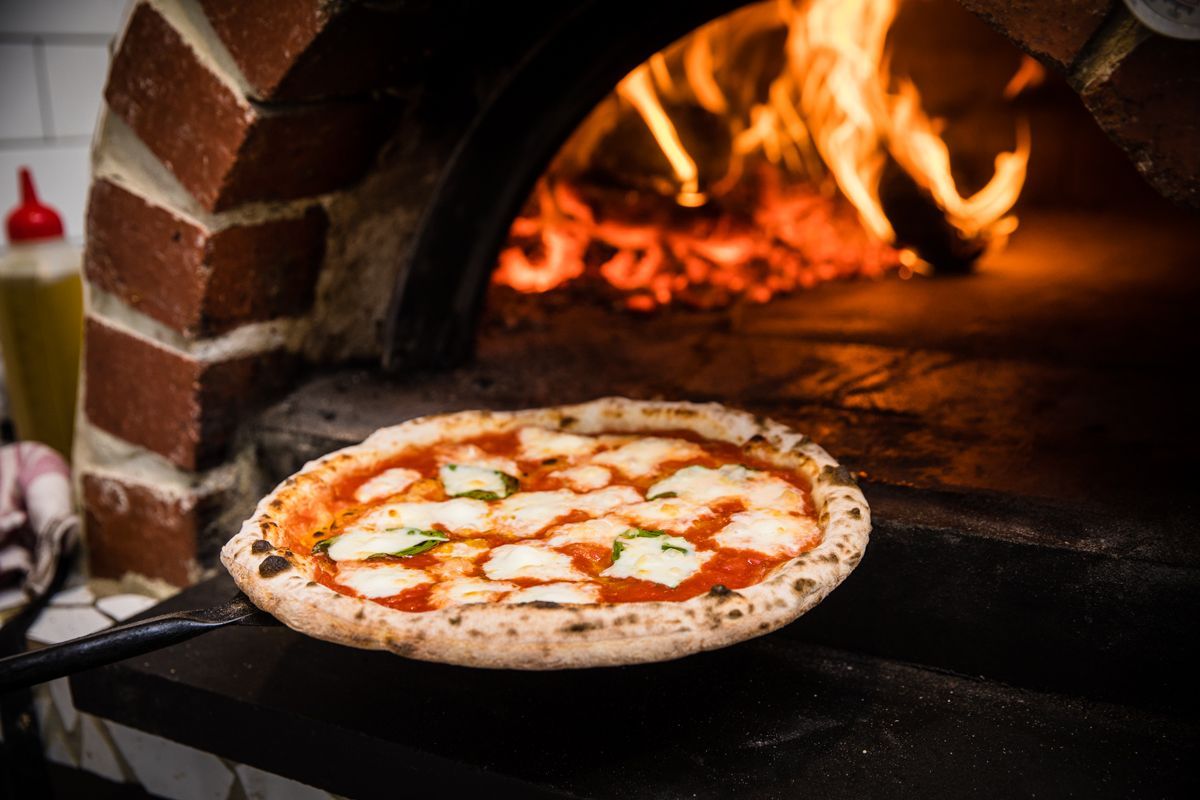
Long before modern ovens existed, wood-fired cooking shaped the way Italian bread and pizza developed. The intense heat cooks the dough within minutes, creating a crisp exterior while keeping the centre light and tender, perfect for holding sauces like pesto. Although many styles now exist across Italy, the wood-fired method remains one of the defining characteristics of authentic pizza-making, often enhanced with fresh mozzarella. It is also the reason Neapolitan pizza became internationally recognised, inspiring generations of pizzaioli while preserving techniques that continue to influence Italian baking today.
Lasagna: Layers of Pasta, Ragù and Italian Comfort
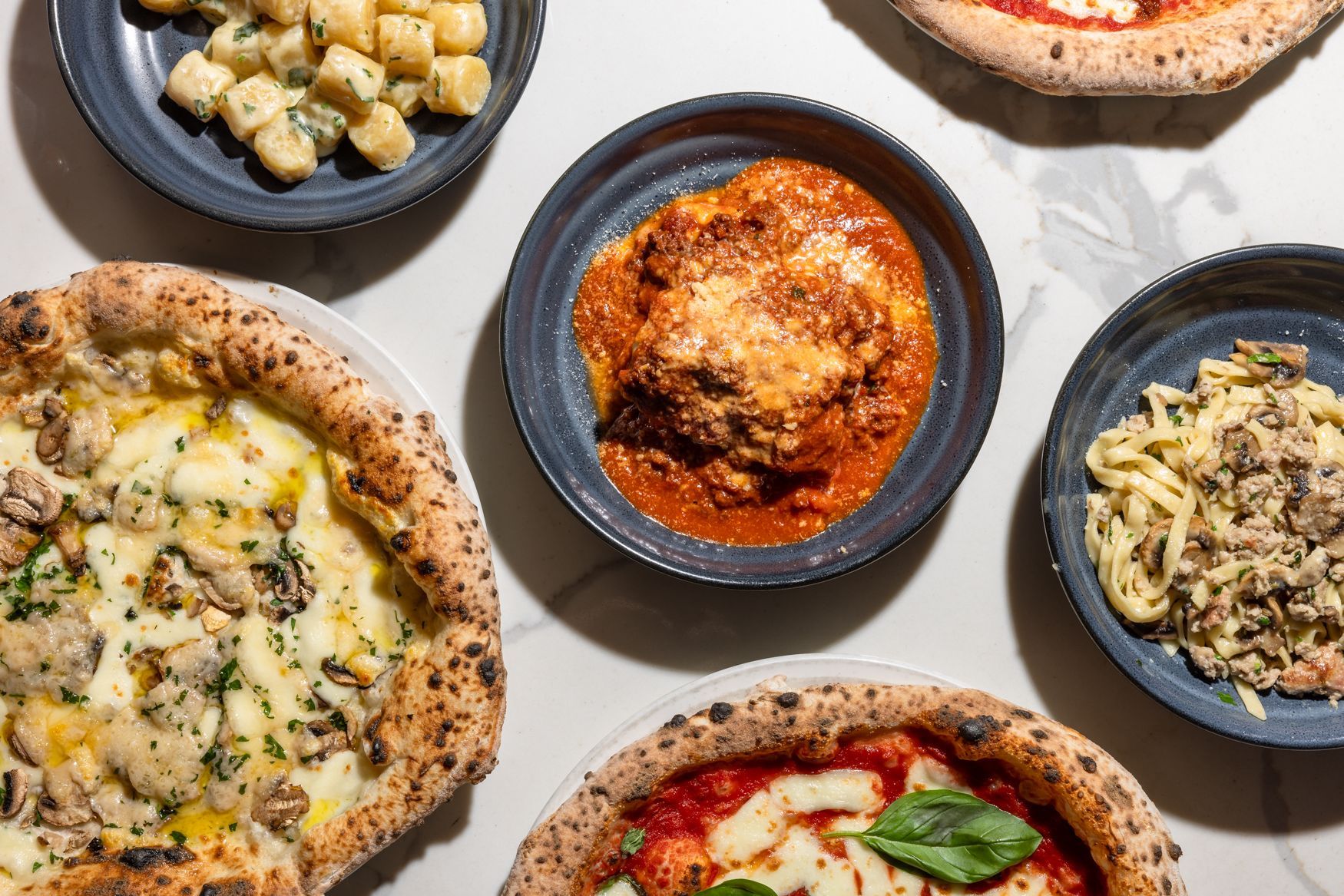
Lasagna is one of the clearest examples of how patience influences Italian cooking, especially when layered with rich tomato sauce. Rather than relying on a single ingredient, the dish develops its character through carefully prepared layers that bake together into one balanced meal. Regional variations can include different sauces or fillings, but the principle remains the same: each layer contributes to the final texture rather than competing for attention. This attention to structure is one of the reasons lasagna continues to be recognised among the best traditional Italian dishes, both in Italy and around the world.
Fettuccine: Why Pasta Shape Changes the Dish
Pasta shapes are designed to work with particular sauces, and fettuccine is one of the best examples. Its long, flat ribbons provide more surface area than thinner pasta, allowing creamy or slow-cooked sauces to coat every strand evenly. This creates a balanced texture in every bite instead of leaving sauce at the bottom of the plate. These thoughtful pairings are one reason Italian pasta has earned international recognition, with restaurants celebrated for serving the Best Pasta Melbourne continuing to respect the relationship between pasta shape and flavour rather than treating every shape as interchangeable.
Gnocchi: Handmade Italian Comfort With a Different Texture
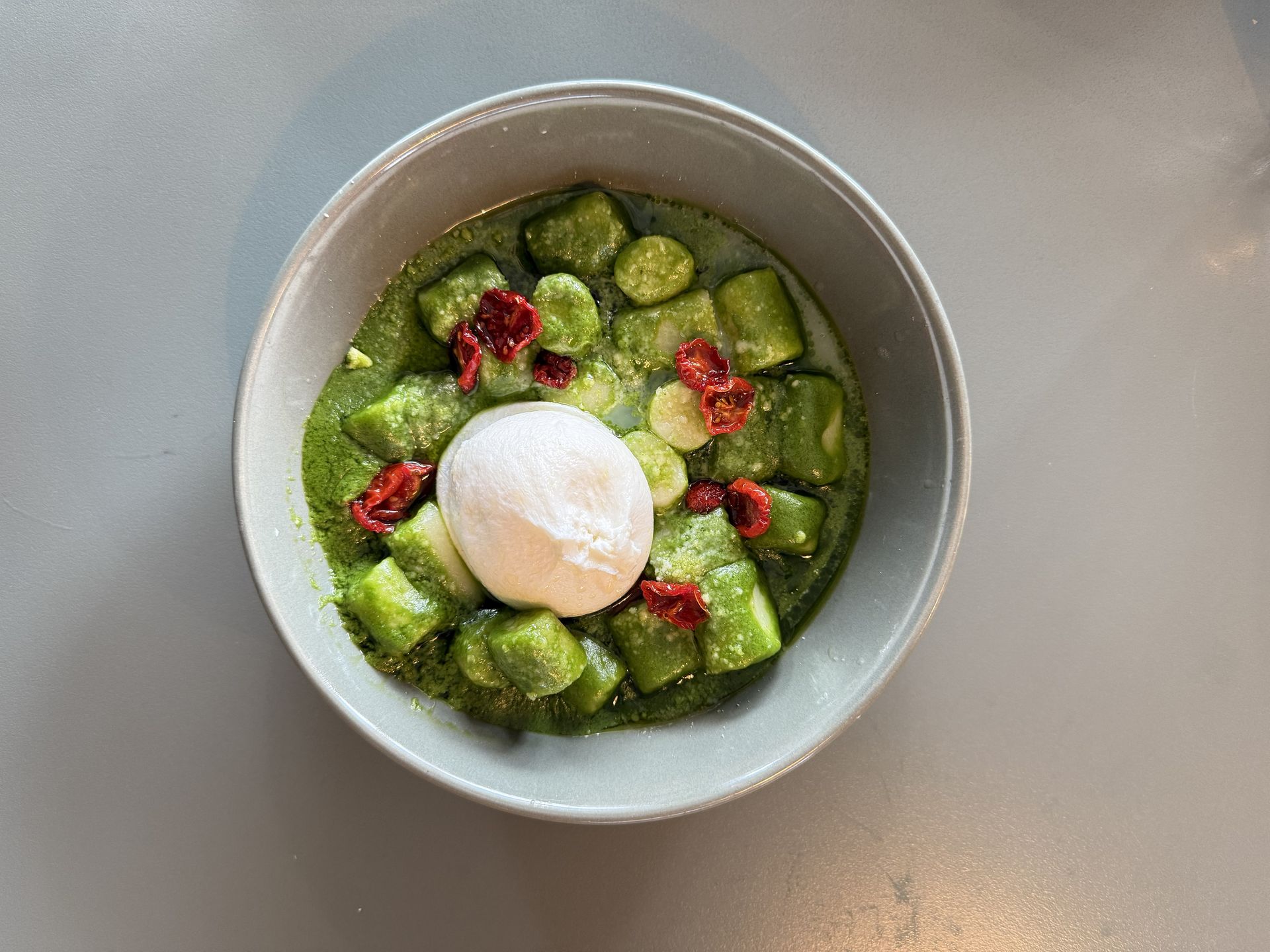
Unlike dried pasta, gnocchi offers a soft, delicate texture created through careful preparation rather than long cooking. Although potato gnocchi is the best known, different Italian regions also prepare versions using semolina, ricotta, or bread. Each variation reflects local traditions while maintaining the same light consistency that distinguishes gnocchi from conventional pasta.
Today, dishes such as vegetarian gnocchi demonstrate how traditional recipes continue to evolve while preserving the techniques that have made them a lasting part of Italian cuisine.
From Tradition to the Same Table: Experience Italian Food at Shop225
Discovering the best traditional Italian dishes is about more than recognising famous recipes. It is about appreciating the craftsmanship behind every meal and how different regions express their identity through food. At Shop225, those traditions are reflected across the menu, from wood-fired favourites like Margherita, Capricciosa, Marinara Sbagliata, and Gamberi to homemade classics including lasagna, fettuccine, and gnocchi. Every dish is prepared with respect for authentic Italian techniques while creating a welcoming dining experience where families and friends can enjoy great food together. By combining genuine hospitality with carefully prepared Italian recipes, Shop225 celebrates the richness of Italy's culinary heritage in every service.
Frequently Asked Questions
Why is traditional Italian food so different between regions?
Italy's regional diversity developed long before the country became unified in the nineteenth century. Each area relied on its own local produce, geography, and historical influences, resulting in distinct cooking traditions that continue today. Coastal regions naturally became known for seafood, while inland communities developed recipes centred on meat, cheese, or handmade pasta. This diversity is one reason the best traditional Italian dishes represent many different regions.
Can halal diners enjoy traditional Italian food?
Yes, provided the restaurant clearly communicates which dishes are suitable and follows careful preparation practices. Traditional Italian cuisine includes many recipes that can be enjoyed without compromising authenticity, and restaurants committed to inclusive hospitality make it easier for guests to choose meals that suit their preferences. At Shop225, this approach extends across the menu, helping more people enjoy authentic Italian food together while maintaining the same high standards of quality and preparation.
What are some of the most famous traditional Italian dishes?
Some of the best traditional Italian dishes include wood-fired pizza, lasagna, fettuccine, gnocchi, risotto, and regional pasta specialities prepared throughout Italy. While these dishes are recognised internationally, each has its own history and local variations that reflect the traditions of the region where it originated.
Conclusion
The best traditional Italian dishes have remained relevant because they combine generations of culinary knowledge with techniques that continue to produce exceptional food today. From carefully prepared pasta to wood-fired pizza, every recipe reflects the history and identity of the region where it was created. Exploring these dishes offers more than a memorable meal. It provides a closer connection to Italy's rich food culture.
Visit
Shop225 Melbourne and experience authentic Italian cooking prepared with respect for tradition, genuine hospitality, and a menu that brings classic Italian flavours to every table.