The Ultimate Guide to Fresh Homemade Pasta: From Basic to Gourmet
Pasta is a traditional Italian dish beloved by many people around the world because it offers an authentic flavour you can’t find in other dishes. It also comes in many shapes, is made in various ways, and can be served in countless different styles, always offering a fresh experience. In this guide, we’ll explore the steps to create perfect pasta, from the basics to gourmet variations, and offer tips and recipes to elevate your dishes.
Why Homemade Pasta Is Worth the Effort: A Taste of Tradition
Homemade pasta is a timeless tradition that continues to deliver an authentic taste to everyone who enjoys it. Moreover, you can achieve a fresher, warmer flavour and customise it to your preferred taste. Fresh pasta enhances any dish, adding a touch that elevates your meals to gourmet levels. By making homemade pasta, you can carefully select preservative-free, healthier ingredients. It’s beneficial for your body due to its nutrients and is safe to consume anytime. Therefore, handmade pasta is always worth the effort because it not only offers a fresher taste but also provides the nutrients your body needs.
Health Benefits of Fresh Homemade Pasta
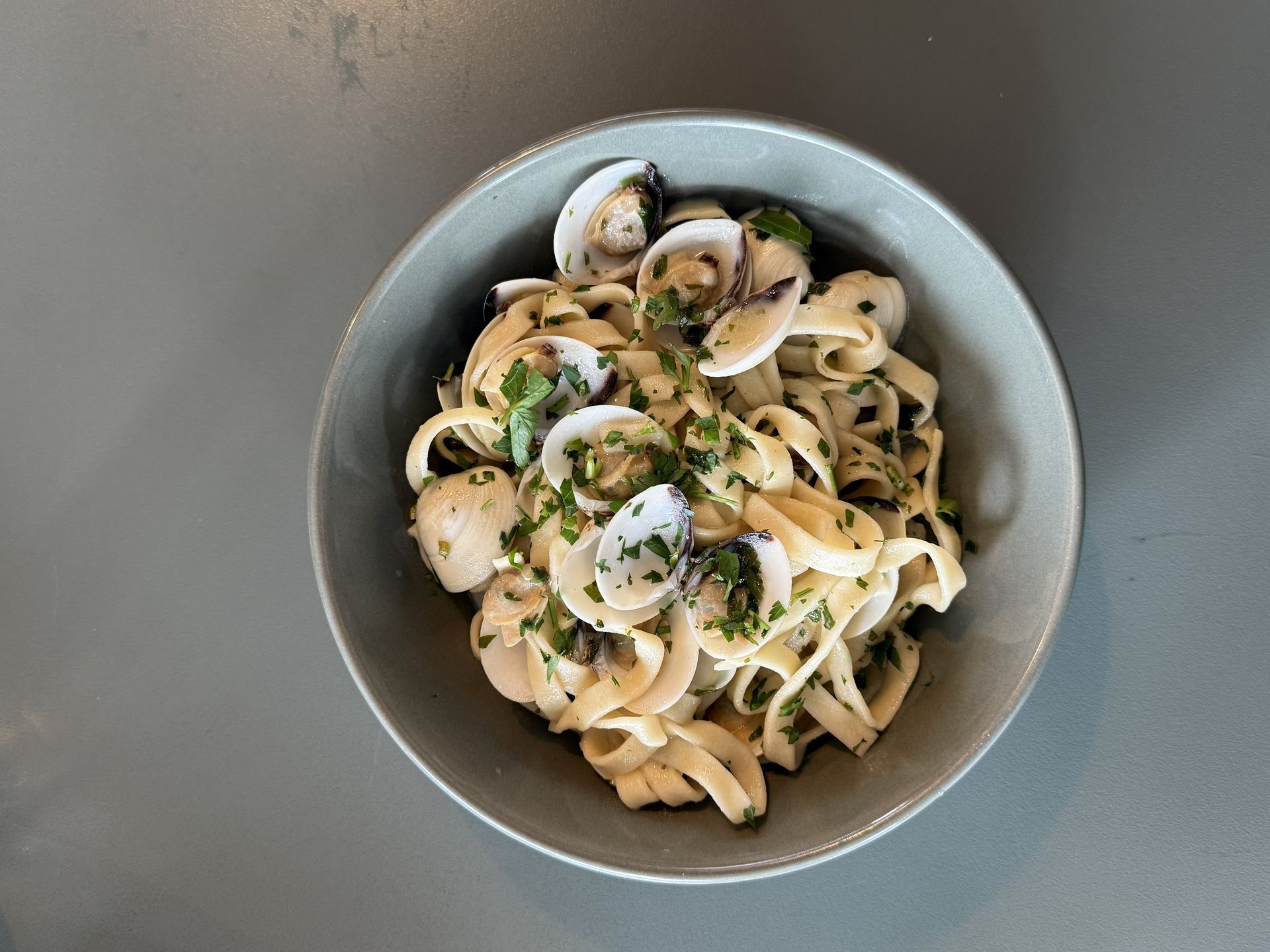
Some individuals believe that consuming pasta regularly may not be advisable, as it is often perceived as an unhealthy option. However, this concern typically arises when dining at establishments that use ingredients such as preservatives or overly processed sauces. Here are some health benefits of homemade pasta you should know.
Rich in Nutrients and Free of Additives
Unlike store-bought pasta, which can contain preservatives, artificial flavourings, and unnecessary additives, homemade pasta is pure and simple. Whether you make pasta yourself or enjoy it at an authentic Italian restaurant, it offers many health benefits. For example, using whole grains instead of refined flour is excellent for heart and digestive health. Additionally, incorporating vegetables as ingredients adds plenty of vitamins and minerals.
Better for Your Digestion
Fresh homemade pasta digests more easily than the kind you buy at the store. The absence of artificial additives and preservatives makes it gentler on your digestive system. Fresh pasta, particularly when made from whole grains, offers a higher fibre content that aids digestion and promotes gut health. The natural ingredients help improve nutrient absorption and reduce bloating, making homemade pasta an ideal option for those with sensitive stomachs or digestive concerns.
Rich in Protein and Nutrients
Fresh homemade pasta is not just a carb-rich dish; it also provides a significant amount of protein, especially when made with high-quality eggs. The protein in pasta is important for muscle repair, immune function, and overall health. Moreover, pasta made from enriched flour or alternatives, such as chickpea flour, has a higher protein content than traditional varieties. This makes pasta a more balanced meal, especially when paired with a protein-rich sauce.
Customisable for Special Diets
In addition to its high nutritional value, homemade pasta offers the added benefit of being exceptionally easy to customise. You can make a vegan version using plant-based ingredients as the main components, or experiment with different sauces to create unique flavour combinations for every meal.
For gluten-free pasta, you can use rice flour or chickpea flour, which can be rolled into a dough for an excellent gluten-free pasta recipe. Additionally, you can make lower-carb pasta by incorporating ingredients like zucchini or almond flour, offering a healthier twist on your favourite pasta dishes. The ease of customisation makes handmade pasta suitable for anyone with different dietary requirements.
The Essential Ingredients for Homemade Pasta
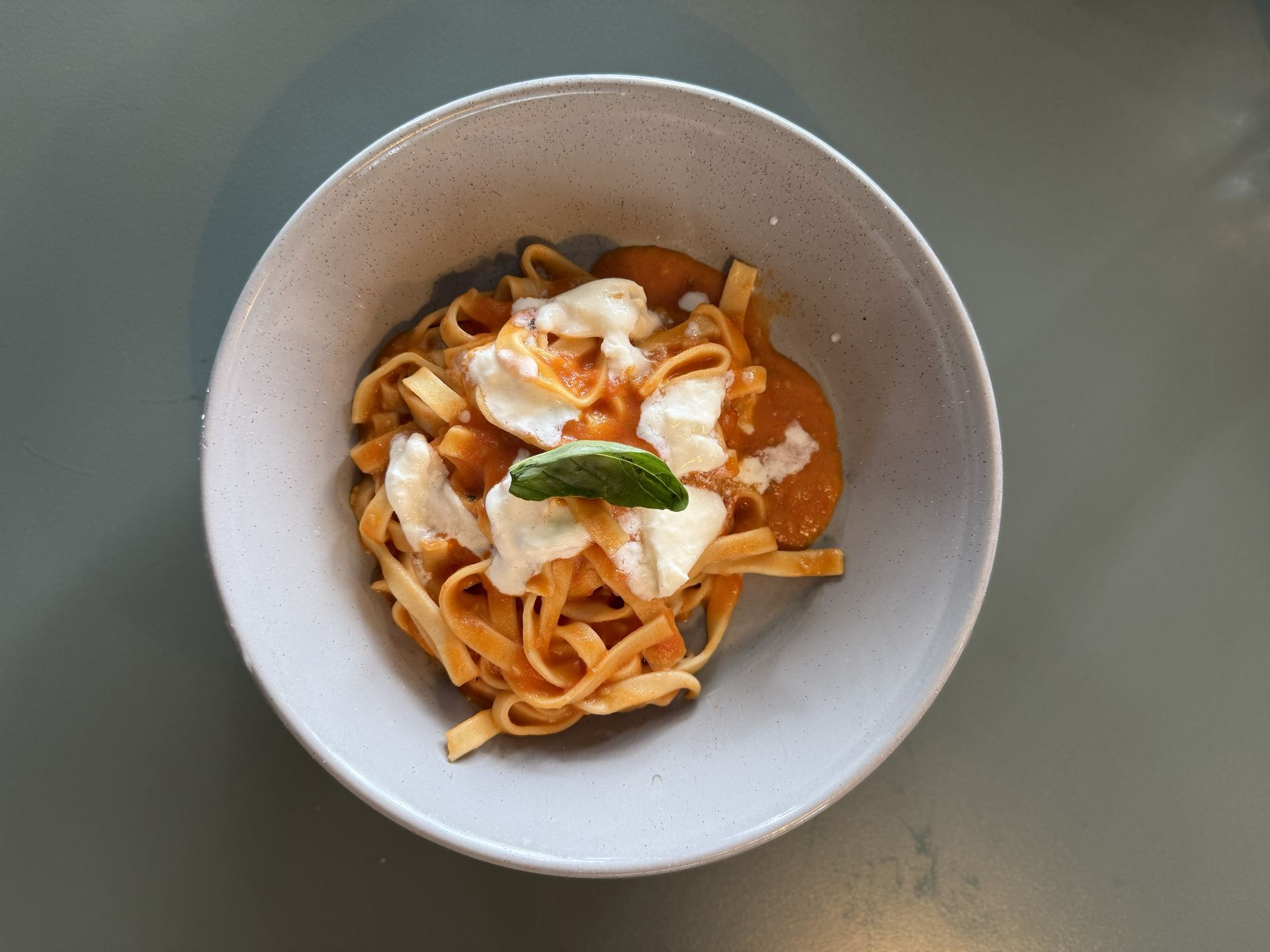
To make the perfect batch of homemade pasta, the ingredients are simple yet essential. The base ingredients include high-quality flour, eggs, olive oil, and a pinch of salt. Eggs provide richness and elasticity, while olive oil adds smoothness. Adding water as needed helps bind the dough. With these key ingredients, you can create the foundation for any pasta shape or sauce combination.
How to Make Homemade Pasta Dough
Making pasta dough at home is easier than you might think. Start by piling the flour on your countertop and making a well in the centre. Crack the eggs into the well, then add a splash of olive oil and a pinch of salt. Using a fork, gently mix the eggs while slowly incorporating the flour from the sides until everything comes together into a dough. Knead it for about 10 minutes, until smooth and elastic. Cover the dough with a cloth and let it rest for at least 30 minutes; this helps it relax and makes it much easier to roll out. Once rested, run it through a pasta roller and you're ready to shape it however you like.
How to Make Different Pasta Shapes
Shaping pasta by hand is both an art and a rewarding craft. Once the dough has been rolled into a thin, even sheet, it can be transformed into a wide variety of traditional forms. Fettuccine is made by loosely rolling the sheet and slicing it into narrow ribbons, while pappardelle requires wider cuts and tagliatelle a medium width. For filled pasta such as ravioli, the dough is cut into squares, filled with the chosen stuffing, and sealed carefully along the edges with a fork. Shapes such as farfalle are created by cutting the dough into small rectangles and pinching them at the centre to form their distinctive bow. Regardless of the shape chosen, consistency in size and thickness is essential to ensure even cooking and a refined final result.
Perfect Sauces to Pair with Your Homemade Pasta
The beauty of handmade pasta lies in its versatility, allowing you to pair it with a variety of delicious sauces. From rich marinara to pesto sauce, each sauce brings out the best in freshly made pasta. Here are some classic and gourmet sauces to consider:
Carbonara
Carbonara is a beloved Roman classic that pairs beautifully with fresh pasta. Made with eggs, Pecorino Romano, guanciale, and black pepper, this sauce delivers a creamy, savoury coating that perfectly complements the chewiness of homemade pasta. Its rich flavours bring a satisfying, indulgent quality to any pasta dish, making it a favourite for pasta enthusiasts worldwide.
Pesto Sauce
Pesto is a vibrant, fragrant sauce made from fresh basil, pine nuts, garlic, Parmesan, and olive oil. It’s an ideal accompaniment to fresh pasta, bringing a burst of herbaceous flavours that elevate any dish. This bright, aromatic sauce pairs well with a variety of pasta shapes, adding a fresh, zesty twist to your creations.
Bolognese Sauce
A hearty Bolognese sauce is a perfect match for rich, fresh pasta. Made with minced meat, tomatoes, wine, and a blend of herbs, this sauce offers deep, comforting flavours that coat the pasta beautifully, making it an ideal companion for a fresh pasta sheet. It pairs especially well with pappardelle or tagliatelle, allowing the sauce to cling to the pasta and enhance each bite with its robust, savoury taste.
How to Cook and Serve Homemade Pasta Perfectly
Cooking housemade pasta is quick and easy, especially when using a pasta machine. Bring a large pot of salted water to a boil and add your fresh pasta. The pasta will cook much faster than dried varieties, typically in 2 to 4 minutes, depending on the thickness. Be sure to stir occasionally to prevent sticking. Once cooked, reserve a cup of pasta water to adjust the sauce consistency if necessary. Drain the pasta, toss it in your favourite sauce, and serve immediately. Fresh pasta is best enjoyed right after cooking, allowing you to appreciate its delicate texture and flavour.
Experience Homemade Pasta at Shop225
For those who appreciate fine, fresh pasta, Shop225 offers some of the best Italian dining experiences. With a commitment to quality ingredients and a passion for traditional Italian techniques, Shop225 brings the taste of Italy to your plate. For a truly exceptional homemade pasta experience, explore their menu and learn more about their dedication to quality.
Their unwavering commitment to quality and traditional techniques has earned them the prestigious Best Pasta in Asia Pacific Award. Revered by many, Shop225 has established itself as a trusted and respected destination for authentic Italian cuisine.
Frequently Asked Questions
How do I store homemade pasta?
Homemade pasta should be stored in an airtight container in the refrigerator for up to two days. Alternatively, you can freeze the pasta by spreading it in a single layer on a baking sheet, then putting it in a sealed container. Fresh pasta can be cooked directly from the freezer without thawing.
What type of flour is best for homemade pasta?
The best flour for homemade pasta is 00 flour, which is finely milled and ideal for creating smooth, tender dough. If 00 flour is unavailable, semolina flour can also be used for a slightly firmer texture. For a more rustic flavour, you can combine semolina with 00 flour.
How can I make my homemade pasta gluten-free?
To make gluten-free pasta, you can substitute traditional wheat flour with gluten-free alternatives such as rice flour, chickpea flour, or a gluten-free pasta blend. You may need to adjust the ratio of eggs or water to achieve the desired dough consistency.
Conclusion
Making homemade pasta is an enjoyable and rewarding experience that can elevate any meal. From the basic dough to gourmet shapes and sauces, the possibilities are endless. Not only is it a fun culinary adventure, but handmade pasta also offers health benefits, as it is free of additives and rich in nutrients.
Whether you're making it for the first time or perfecting your technique, there’s no better way to enjoy a delicious meal. For a truly unforgettable experience, visit Shop225 and taste their award-winning pasta today!